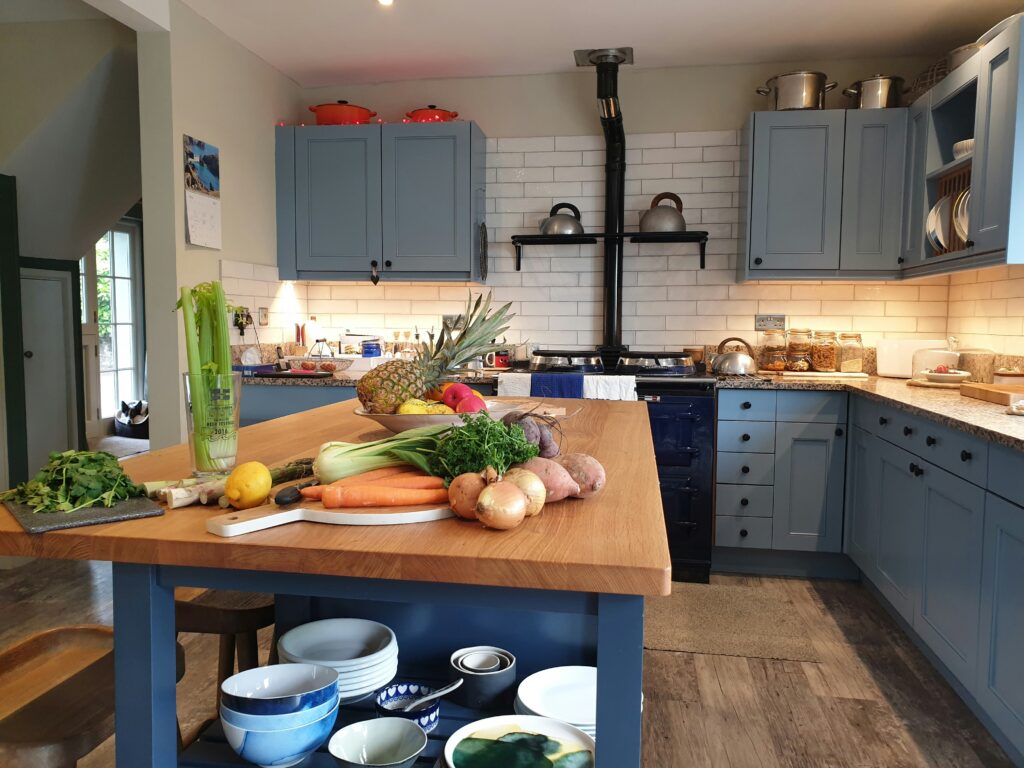
I do love to cook in our household. It’s something I’ve always enjoyed doing. Sometimes making the extra effort for something special, trying different meals, or cooking something that takes a bit more time and thought.
But once you have a young family, cooking changes a little. It becomes less about what you feel like making, and more about trying to put something on the plate that will mostly get eaten.
This was where cooking gradually shifted toward simpler meals – basic meat and vegetables, no sauces, and keeping ingredients separated on the plate unless everything was blended together like a bolognese.
When the children were much younger, it didn’t feel as frustrating. We were used to trying different foods and ingredients so they could discover what they liked and didn’t like. It felt important to give them choices and opportunities to experience different meals.
But gradually, over the years, it also led to wasted food and uncertainty around what would actually get eaten. Sometimes they didn’t want to try the same ingredients again, even if they were cooked differently. Meals that worked once suddenly didn’t work the next time.
As teenagers now, we’ve gradually built up a smaller list of meals we can rotate throughout the week. Not an endless list, but enough familiar meals that everyone generally knows and accepts.
And honestly, that has probably reduced more pressure than I realised at the time.
Getting home after 5pm during the working week, some days more mentally exhausted than physically, trying to then decide what to cook for tea became another thing my mind had to switch into. After a full day of work, thinking, problem-solving, driving home, and carrying the usual mental load of family life, having to stand in the kitchen and make another decision often felt harder than the cooking itself.
It wasn’t only about cooking the meal. It was the constant thinking around it, the mental load behind family life.
Was something already out of the freezer?
If not, what could be defrosted quickly?
Did we have enough ingredients for what I had in mind?
Would everyone eat it, or would it turn into another frustrating meal where half of it sat untouched?
Some nights it felt easier to fall back on something quick like egg and bacon on toast, simply because I didn’t have the mental energy left to think properly about anything else. But those sorts of meals don’t always sustain growing teenagers for long, and by later in the evening everyone was usually hungry again anyway. Or getting a takeaway meal, which the teenagers try to ask for more regularly, which adds greatly to the costs of feeding the household, and not sustainable to keep doing too regularly.
Even getting meat out of the freezer in the morning to thaw still left the question later of what to actually make with it. The thinking never fully stopped.
That’s probably where meal planning quietly changed things for us.
Not in a highly organised or perfectly structured way. Just enough to remove one repeated decision from the hardest part of the day.
Now, sometime generally on Sunday, I’ll usually sit down and write out a rough meal plan for the coming week depending on what staple foods we already have in the fridge, freezer, and pantry. I try not to repeat meals too often, although realistically we still rotate through many of the same familiar dishes.
We eventually started keeping the meal plan visible on the fridge instead of trying to hold it mentally all week. Whether it’s written on a simple magnetic meal planner on the fridge or a weekly planner pad sitting on the kitchen bench, having it written down somewhere visible removes a surprising amount of mental load.
But having the week loosely mapped out changes the feeling of the evenings.
I know in the morning if something needs to come out of the freezer for that night’s meal. I know whether we already have most of what we need. And when I walk in the door after work, I don’t have to immediately switch my brain into deciding what to cook.
That part has already been done.
Instead, I can come home, greet everyone properly, ask how their day was, settle into the evening a little, and then turn my attention toward preparing dinner for us all to eat together.
Even the conversations feel different now.
When the teenagers ask what’s for tea, instead of standing there tired saying,
“Oh, I don’t know… something with chicken probably,”
I can answer:
“We’re having butter chicken with rice tonight.”
And usually there’s a much more positive response simply because it’s familiar, expected, and everyone already knows where the evening is heading.
It’s such a small thing really, but I think that’s often how quiet systems work in grounded family rhythms. They don’t remove all the stress. They just reduce the amount of thinking required in moments where everyone already feels stretched.
The meal plan also quietly helps with groceries.
On Sunday, when I sit down to work through the grocery list for the week ahead, having a rough plan already written down helps guide what actually needs to be bought. It stops the feeling of wandering through the supermarket trying to think of meals on the spot, or buying extra things “just in case.”
Having a meal plan also helps reduce food slowly wasting away in the fridge because we can intentionally use what’s already there as part of the week.
Over time we’ve also learned to keep certain staple foods regularly stocked in the pantry and freezer because they become part of our normal meal rotation. Not in a rigid way, but enough that the house feels prepared for the week ahead.
And I think that’s what I’ve come to appreciate most about meal planning. Not organisation for the sake of organisation. Not perfectly balanced meals, letting go of perfect family routines. Not having every night planned down to the smallest detail. Just reducing one more layer of mental load during a busy week.
Sometimes the systems that help family life the most are simply the ones that remove a little pressure before the day has even begun.
Pingback: Our Family Meal Rotation for Busy School Weeks